What Affects the Cost of Small Home Repairs? Key Factors to Discuss With Your Contractor
When you're facing a leaky faucet, a squeaky door, or a loose cabinet hinge, the question isn't just "Can I fix this myself?" but "Should I?" Understanding what affects the cost of small home repairs helps you make smarter decisions about whether to grab your toolbox or call a professional. As a homeowner in Indianapolis, knowing these key factors will help you have better conversations with any contractor you call and set realistic expectations for your project.
Materials and Parts: What You're Actually Paying For
The most straightforward part of any repair cost is the materials themselves. A new faucet cartridge, replacement weatherstripping, drywall joint compound, or cabinet hardware all have real costs that vary widely depending on quality and availability. Sometimes what seems like a simple fix requires a part that's harder to source or only available in bundled units.
Here's where being honest about DIY comes in: if you're comfortable buying materials and installing them yourself, you can definitely save money. Hardware stores in Indianapolis have staff who can point you to what you need. But if you're unsure whether you need the premium version or the standard one, that's a sign a professional's judgment might be worth the call. They know which parts last longer and which are prone to failure.
Complexity and Time Requirements Matter More Than You Think
A job that looks simple on video can take three times longer when you're actually doing it. Professional handymen factor in years of experience—they know where problems hide and what complications often emerge mid-project. When you call for small home repairs near me in Indianapolis, IN, you're paying partly for the speed that comes with experience.
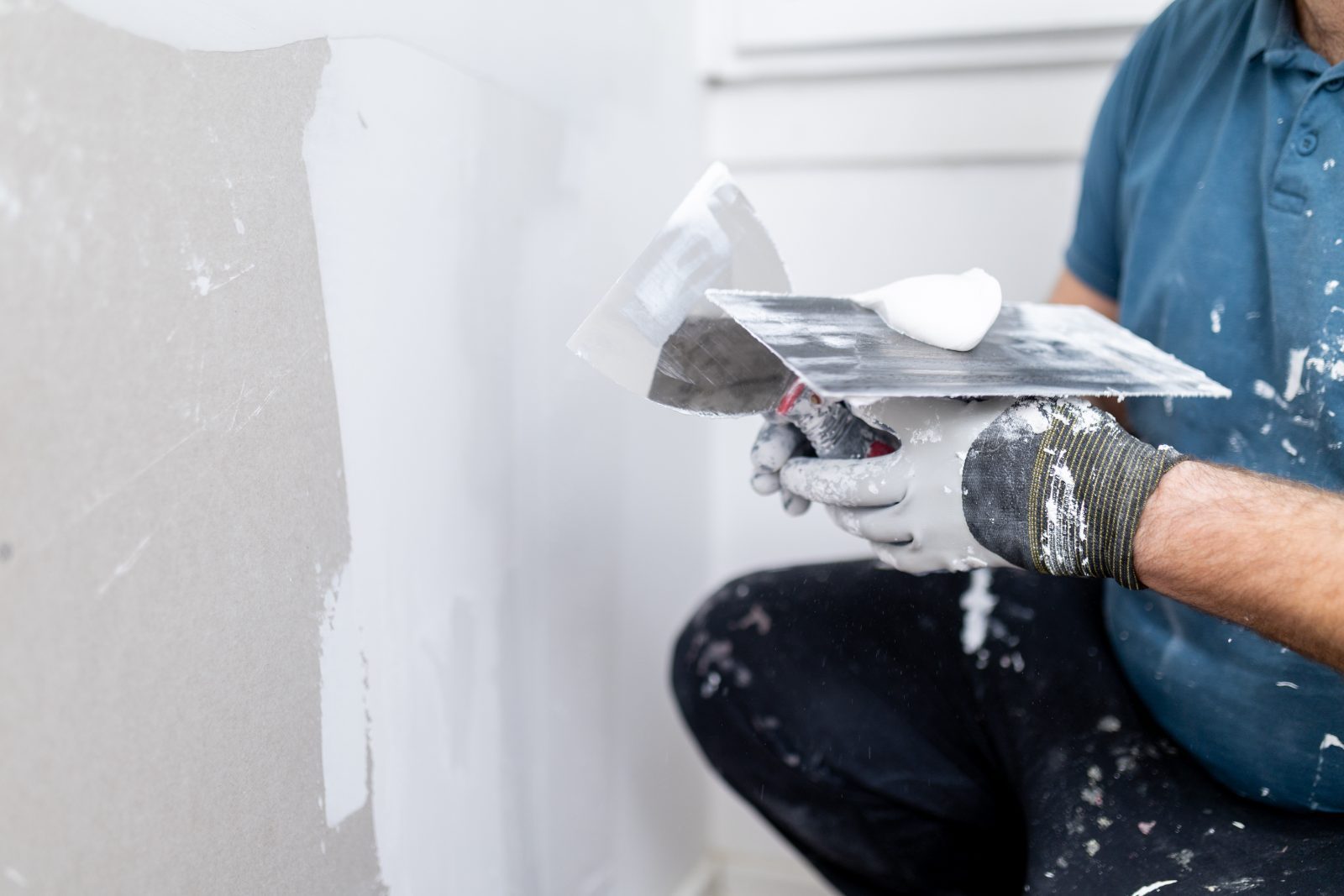
Consider a project like patching drywall. Straightforward enough, right? But matching the existing texture, ensuring the patch blends seamlessly, and achieving a professional finish take skill. The time investment compounds if something goes wrong—like discovering water damage behind the wall. A professional diagnoses these issues faster and handles them efficiently, whereas a DIYer might hit unexpected roadblocks.
Accessibility and Safety Considerations
Some repairs are risky without proper equipment and training. Anything involving electrical work, plumbing changes, or working at heights introduces safety concerns that shouldn't be downplayed. Local building codes in Indianapolis exist for good reason, and certain jobs may require permits or inspections.
If you're comfortable on a ladder and have basic hand tools, many small repairs are genuinely safe to attempt. But be honest about your limits. A professional has insurance, proper equipment, and the know-how to spot code issues. That matters—especially if you ever sell your home and a future buyer discovers unpermitted work.
Damage Discovery: The Hidden Cost Factor
This is the reality most DIYers don't anticipate. You start fixing one thing and uncover something else. A loose baseboard reveals water damage. A dripping faucet indicates a corroded shut-off valve underneath. The cost of small home repairs can skyrocket when you discover the real problem extends beyond the visible symptom.
Professionals navigate this constantly. They budget for surprises and can pivot quickly when they find underlying issues. You're not just paying for the original fix; you're getting diagnostic expertise that prevents expensive problems later.
Frequently Asked Questions
A: Not always. Once you factor in tools you might need to buy, time spent, and potential mistakes, hiring a professional for small home repair cost factors can sometimes be comparable—or even cheaper. The real savings from DIY come when you already have tools and confidence in your abilities.
A: Small repairs typically involve replacing a single component (faucet, hinge, outlet cover), minor surface damage (drywall patch, paint touch-up), or quick adjustments (door alignment, cabinet tightening). If it involves removing walls, working in electrical panels, or plumbing changes, it's beyond "small."
A: Ask about materials, estimated time, whether they expect complications based on the home's age, what warranty they offer on their work, and what happens if they discover additional damage. These questions help you understand what you're paying for.
A: For bigger projects, absolutely. For true small repairs, one estimate from a trusted professional is usually fine. The differences between contractors are often minimal for straightforward jobs, and getting too many quotes can be overkill.
Ready for help? Contact Daves Handyman Services today to discuss your next repair and get honest advice about whether DIY makes sense for your situation.